Understanding tree removal fees can be challenging due to the various factors influencing the overall cost. This comprehensive guide aims to clarify these factors, helping you make informed decisions when you need to remove a tree from your property.
Factors Influencing Tree Removal Fees
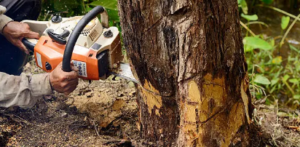 Several key elements determine a tree removal fee. These factors must be considered to fully grasp why costs can vary significantly from one job to another.
Tree Size and Height
The size and height of a tree are among the most critical factors in determining removal fees. Larger and taller trees require more labour and specialised equipment to remove safely. It includes more time for cutting, more substantial equipment to handle the weight, and additional safety measures to prevent accidents.
Tree Type
The species of the tree also impacts the removal fee. Different trees have varying wood densities, root structures, and growth patterns. For example, hardwood trees like oak or maple are more challenging to cut and remove than softer wood trees like pine or birch. The complexity of dealing with a particular species can influence the labour and time required, thus affecting the fee.
Location and Accessibility
The location of the tree plays a significant role in the overall fee. Trees situated near buildings, power lines, or other structures require careful planning and additional safety measures to avoid damage. If the tree is in a difficult-to-access area, such as a backyard with limited entry points, this can complicate the removal process, necessitating specialised equipment and additional labour.
Health and Condition
The health and condition of the tree are also critical factors. Diseased, dead, or damaged trees can be more hazardous to remove due to the risk of unpredictable falls or breaks. Such conditions require extra caution and potentially more intricate removal methods, increasing the overall tree removal fee.
Additional Services
Various additional services can increase the tree removal fee. These may include:
- Stump Removal: This service typically incurs an extra charge, as stump grinding or complete removal requires specialised equipment and additional labour.
- Debris Removal: Some companies include debris removal in their estimates, while others charge extra for hauling away the tree remains.
- Log Splitting: If you want the wood split into firewood, this service will add to the fee.
Strategies for Managing Tree Removal Fees
While tree removal can be an undeniably significant expense, there are several strategies to manage and potentially reduce these fees.
Obtain Multiple Quotes
One of the most effective ways to manage tree removal fees is to obtain multiple quotes from reputable tree removal companies. This approach allows you to compare services and prices, ensuring you get a fair deal. Ensure that the quotes are very detailed and include all potential additional costs to avoid surprises.
Verify Permit Requirements
Check if your local government requires permits for tree removal. Handling the permit process yourself can save on administrative fees charged by tree removal companies. Being proactive about permits can also prevent delays and additional costs.
Choosing the Right Tree Removal Service
Selecting a reputable tree removal service is remarkably crucial to ensuring the job is done safely and efficiently. Here are some tips for choosing the right service:
Read Reviews and Ask for References
Look for customer reviews online and ask the company for references. Speaking with past clients can provide valuable insights into the company’s overall reliability and quality of work. Positive reviews and satisfied customers are significant indicators of a reputable service.
Request Detailed Estimates
Before starting the job, request a detailed written estimate. This estimate should outline all costs, including any potential additional charges. Clear and transparent pricing helps avoid misunderstandings and unexpected fees.
Inquire About Safety Practices
Ask the company about their safety practices. Reputable companies follow industry standards and use appropriate safety gear and equipment. Ensuring safety practices are in place can prevent accidents and additional costs.
Conclusion
Understanding a tree removal fee is essential for homeowners facing the need to remove a tree. By considering factors such as tree size, type, location, and additional services, you can better estimate the potential costs. Taking steps to manage fees, like obtaining multiple quotes and handling some aspects yourself, can help you stay within budget. Choosing a reputable tree removal service ensures the job is done safely and efficiently, providing peace of mind and value for your money.