In the agricultural sector, baler twine is an essential component that ensures the practical bundling of hay, straw, and other materials. In Australia, where farming and agriculture are significant industries, understanding the types, benefits, and uses of baler twine can help farmers and agricultural workers make informed decisions. For farm baler twine, click here.
What is Baler Twine?
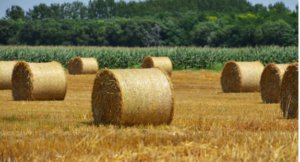 Baler twine is a durable, high-strength string used in balers to bind bales of hay, straw, and other crops. It plays a crucial role in the baling process by securing the material into compact bundles, which are easier to handle, transport, and store. Baler twine comes in various materials, including polypropylene and sisal, each offering distinct advantages depending on the application and conditions.
Types of Baler Twine
- Polypropylene Twine: Polypropylene baler twine is one of the most popular choices due to its strength, durability, and resistance to moisture. It is lightweight and has high tensile strength, making it suitable for both small and large-scale baling operations. Polypropylene twine is also resistant to UV rays, which ensures its longevity even under harsh Australian sunlight.
- Sisal Twine: Sisal baler twine is a natural fibre option made from the agave plant. It is biodegradable and offers a traditional alternative to synthetic twine. While it may not be as durable as polypropylene, sisal twine provides excellent knot strength and is often preferred in organic farming practices.
- Hybrid Twine: Hybrid baler twine combines the best features of polypropylene and sisal. It offers enhanced strength and durability while retaining some of the environmental benefits of natural fibres. Hybrid twine is a versatile option for various baling applications.
Benefits of Using Baler Twine
- Strength and Reliability: High-quality baler twine ensures that bales remain tightly bound during handling and transportation. It reduces the risk of bales falling apart, which can lead to material loss and additional labour.
- Weather Resistance: Australian farmers face diverse weather conditions, from intense heat to heavy rains. Baler twine made from polypropylene is designed to withstand these conditions, preventing degradation and maintaining its strength over time.
- Cost-Effectiveness: While natural fibre twines like sisal may be more expensive, polypropylene twines offer a cost-effective solution due to their longevity and reduced need for frequent replacement.
- Versatility: Baler twine can be used for various types of balers, including round balers and square balers. This versatility ensures that farmers can use the same twine for different applications, simplifying inventory management.
Choosing the Right Baler Twine
When selecting baler twine, consider the following factors:
- Baler Type: Ensure that the twine you choose is compatible with your baler model. Different balers have specific requirements for twine size and strength.
- Material: Based on your needs, choose between polypropylene, sisal, or hybrid twine. Polypropylene is ideal for durability and weather resistance, while sisal is suitable for organic farming.
- Tensile Strength: Higher tensile strength twine is essential for securing heavy bales. Check the specifications to ensure the twine can handle the weight of your bales.
- Environmental Conditions: Consider the climate and weather conditions in your region. Polypropylene twine performs well in extreme temperatures and high humidity, making it a reliable choice for Australian farmers.
Best Practices for Using Baler Twine
- Proper Storage: Store baler twine in a dry, cool place to prevent moisture absorption and degradation. Moisture can weaken the twine and affect its performance.
- Regular Maintenance: Check the twine regularly for signs of wear or damage. Replace any frayed or weakened sections to ensure the integrity of the bales. For farm baler twine, click here.
- Optimal Tension: Adjust the tension of the twine according to the baler’s specifications. Proper tension ensures that the bales are securely bound without overloading the twine.
- Training and Handling: Train operators on the correct handling and installation of baler twine. Proper use and handling can extend the life of the twine and improve the efficiency of the baling process.
Conclusion:
Baler twine is a vital component in the agricultural industry, particularly in Australia, where efficient and reliable baling is crucial. By understanding the different types of baler twine, their benefits, and best practices for use, Australian farmers can make informed decisions that enhance productivity and reduce costs.