A disability hoist can be a life-changing piece of equipment for individuals with mobility challenges. Designed to assist in safely lifting and transferring people with disabilities, these devices provide comfort, ease of use, and increased independence. In Australia, disability hoists are widely used in homes, healthcare facilities, and aged care centres, helping caregivers and individuals manage mobility with ease. For more information about the disability hoist Adelaide, click here.
What is a Disability Hoist?
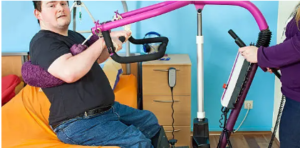 A disability hoist is a mechanical device used to lift and transfer individuals with limited mobility. It can help move a person from a wheelchair to a bed, a bath, or other locations without straining the caregiver or discomforting the user.
There are different types of disability hoists available in Australia, including:
- Ceiling Hoists – Fixed overhead systems that move along tracks installed on the ceiling, ideal for homes and hospitals.
- Mobile Hoists – Versatile and movable, these hoists come with wheels and can be used in various locations.
- Bath Hoists – Specially designed for transferring individuals safely into and out of bathtubs.
- Standing Hoists – Assist individuals who have some weight-bearing ability to stand up from a seated position.
Benefits of Using a Disability Hoist
Using a disability hoist provides numerous advantages, including:
Enhanced Safety
Manual lifting can be dangerous for both the caregiver and the individual with mobility issues. A hoist significantly reduces the risk of injury by providing safe and controlled movement.
Increased Independence
Many hoists are designed to allow individuals to transfer themselves with minimal assistance, fostering independence and confidence.
Improved Comfort
A properly fitted hoist ensures smooth transfers, preventing discomfort and reducing the likelihood of pressure sores or injuries.
Reduced Caregiver Strain
Caregivers often suffer from back injuries due to manual lifting. A hoist alleviates this strain, making the task easier and safer.
Choosing the Right Disability Hoist in Australia
Selecting the best disability hoist depends on the user’s needs, the environment, and the level of assistance required. Here are some key factors to consider:
Type of Hoist Needed
Evaluate whether a mobile, ceiling, bath or standing hoist is most suitable for the user’s mobility needs.
Weight Capacity
Hoists come in different weight capacities. Ensure that the selected model can safely support the user’s weight.
Space Availability
Consider the dimensions of the room where the hoist will be used. Ceiling hoists work well in smaller spaces, while mobile hoists need adequate maneuvering room.
Ease of Operation
User-friendly controls, adjustable settings, and ergonomic design are crucial for both the caregiver and the individual using the hoist.
Disability Hoist Funding and Support in Australia
Australia has several funding schemes to assist individuals in obtaining a disability hoist. Some of the most prominent include:
National Disability Insurance Scheme (NDIS)
The NDIS provides funding for assistive technology, including disability hoists, for eligible participants. Individuals can apply for support through their NDIS plan.
My Aged Care
For older Australians needing mobility assistance, My Aged Care offers government-funded programs to support equipment purchases.
State-Based Programs
Many states have additional disability support programs, including subsidies and grants for mobility aids.
Private Health Insurance
Some private health insurers provide rebates for assistive equipment, including hoists, depending on the policy.
Top Disability Hoist Providers in Australia
Several companies supply high-quality disability hoists in Australia.
Some of the top providers include:
- Aidacare – Offers a wide range of hoists for home and medical use.
- Invacare Australia is known for its durable and innovative hoists.
- Haines Medical Australia – Specialises in patient lifting and transfer solutions.
- Pelican Manufacturing – Provides hoists designed for home and aged care settings.
Future of Disability Hoists in Australia
As technology advances, disability hoists are becoming more sophisticated, with automated and intelligent features enhancing their usability. Innovations such as remote-controlled hoists and AI-powered assistance are making transfers even safer and more efficient.
Conclusion:
A disability hoist is an essential tool that enhances mobility, safety, and independence for individuals with limited movement. With a range of options available in Australia, it’s crucial to choose the correct hoist that meets the user’s needs while considering factors like funding support and provider reputation. Whether for home use or in healthcare settings, a well-chosen hoist can significantly improve the quality of life for both individuals with disabilities and their caregivers.